CC
Chris Chen
Property Risk Control Specialist


Newsletter
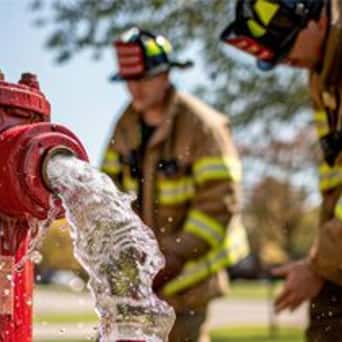
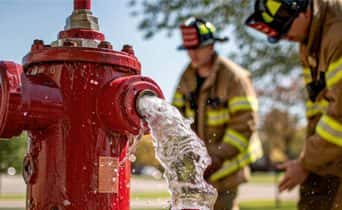

Water supply testing is essential for evaluating the ability of the water supply to effectively support the sprinkler design required to provide adequate protection.
For property safety managers, understanding and implementing water flow testing is crucial to ensuring system reliability and effectiveness.
Fire sprinkler systems depend on a consistent and adequate water supply to suppress fires effectively. Water flow testing confirms whether the system’s water supply meets the required flow rate and pressure to properly function during a fire emergency. Without regular testing, these systems may underperform or fail, increasing fire damage and safety risks.
Key aspects of fire suppression system evaluation include:
• System design: Ensuring the system addresses the building’s specific fire risks and meets regulatory requirements.
• Routine inspection, testing, and maintenance (ITM): Verifying ongoing functionality through regular assessments.
• Adequacy of water supply: Confirming the water supply can meet system demands during emergencies.
A hydrant flow test measures the water volume and pressure at a specific point in the fire protection system. Unlike a backflow preventer test, which ensures water flows in the correct direction, hydrant flow tests evaluate water supply reliability and help identify any deficiencies or changes that could impact fire sprinkler performance.
Water flow tests, often called hydrant flow tests, follow NFPA 291 guidelines. The process includes:
• Selecting hydrants: Two hydrants near the facility are chosen—one for measuring pressure and the other for flowing water.
• Measuring static pressure: A pressure gauge records static pressure (pressure under no-flow conditions) from the first hydrant.
• Flowing water: The second hydrant is opened to measure the flow rate using pitot tubes or flowmeters.
• Recording residual pressure: The pressure gauge on the first hydrant measures residual pressure (pressure under flow conditions).
• Testing frequency: Hydrants should be flow-tested every five years to ensure they still meet required flow rates.
• Annual inspections: Regular checks help identify maintenance needs or potential issues.
These results provide valuable insights into the water supply’s flow rate and pressure, helping assess system adequacy for fire suppression.
Buildings equipped with fire pumps require annual pump flow tests as part of sprinkler system ITM. These tests evaluate fire pump and water supply performance under pump-operating conditions, including:
• Static pressure: Measured when no water is flowing.
• Flow at 100% capacity: Suction and discharge pressures and flow rate at the pump’s rated capacity.
• Flow at 150% capacity: Suction and discharge pressures and flow rate at 150% of the pump’s rated capacity.
Results are compared to system design requirements to ensure the pump delivers adequate pressure and flow under various conditions.
Three primary values are analyzed during water flow testing:
• Static pressure: The pressure in the system without water flow.
• Residual pressure: The pressure in the system while water is flowing.
• Flow rate: Measured in gallons per minute (GPM), indicating the water volume available.
These values determine whether the water supply aligns with the sprinkler system’s specific design requirements.
Water supply testing benefits not only sprinkler systems but also local fire departments. An adequate water supply ensures firefighters have sufficient resources for hose streams during emergencies, improving fire control and extinguishment. This dual benefit underscores the importance of maintaining a robust water supply for overall property safety.
Fire suppression systems with insufficient water supplies risk failure during emergencies, leading to:
• Increased fire damage to property.
• Greater risks to life safety.
• Potential non-compliance with fire safety codes and regulations.
To ensure the reliability of fire suppression systems, risk managers should:
• Conduct regular flow testing: Schedule hydrant or pump-based flow tests according to NFPA standards.
• Understand test results: Compare data against system design requirements and regulatory benchmarks.
• Collaborate with experts: Work with risk control consultants or sprinkler contractors to interpret results and address deficiencies.
Fire protection systems must perform reliably when it matters most. Interpreting water flow test results can be complex, but we are here to assist.
Contact your Sompo Risk Control Specialist or reach out at +1 877 667 5733 or RiskControlQuestions@sompo-intl.com for guidance on safeguarding your property and people with confidence.
For property safety managers, understanding and implementing water flow testing is crucial to ensuring system reliability and effectiveness.

High winds, hail, heavy rainfall and lightning can hit fast - we have outlined some practical steps that can help protect your business, safeguard property and keep disruption to a minimum when convective storms strike.

Li-ion battery risks: key hazards, loss scenarios, risk factors, and controls to help protect employees, property, and critical assets.

Cargo rarely travels as planned, and neither do the risks. This issue looks at where things go wrong, and how to stay one step ahead when the journey gets unpredictable.

Photovoltaic systems bring new risks alongside their benefits - discover practical measures to manage fire exposure, protect property and support safer, more resilient operations.

From risk assessment to response planning, explore practical insights to help businesses prepare for the unexpected, protect people and assets, and maintain continuity when disruption strikes.

High winds, hail, heavy rainfall and lightning can hit fast - we have outlined some practical steps that can help protect your business, safeguard property and keep disruption to a minimum when convective storms strike.
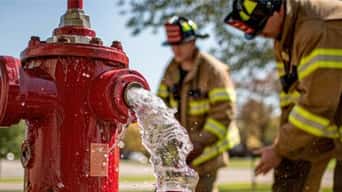
From water flow testing to fire protection system reliability, learn how to help ensure systems perform when it matters most and reduce potential property loss.