GN
Greg Norsworthy
CSP, CFPS, AVP, Risk Control Training Leader


Newsletter
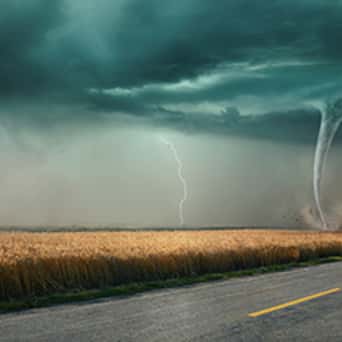


Severe thunderstorms, also known as convective storms, are localized, intense weather events that can strike with little to no warning.
These atmospheric disturbances are characterized by powerful updrafts and downdrafts within a convective cloud system and can bring damaging winds, heavy rainfall, large hail, and occasionally tornadoes.
For businesses and property owners, understanding the risks and taking proactive measures is critical to minimizing damage and ensuring safety.
Convective storms occur throughout the year, often forming quickly and unpredictably. Individual thunderstorms can last anywhere from a few minutes to several hours; however, their impact can be long-lasting and devastating.
The primary hazards associated with these storms include:
• Tornadoes: Capable of destroying buildings, infrastructure and critical assets.
• Hail: Causes significant damage to roofs, building exteriors, vehicles and outdoor equipment.
• Heavy rainfall: Triggers flash flooding, water damage and operational disruptions.
• Straight-line winds: Topples trees, power lines and unsecured objects, resulting in structural damage.
• Lightning strikes: Can ignite fires, disrupt power, and cause electrical failures.
“An ounce of prevention is worth a pound of cure.”
– BENJAMIN FRANKLIN, 1736
Given the potential for significant property damage and business interruptions, preparation is key. Below are practical steps to mitigate risks and safeguard your operations:
1. Monitor weather conditions
• Stay informed by keeping an eye on local weather forecasts and alerts from reliable sources. Early awareness allows you to act quickly when severe weather threatens.
2. Protect your property
• Install hail guards on roof mounted equipment such as HVAC units and skylights.
• Reinforce windows and doors – including overhead doors – with braces to withstand high winds.
• Secure outdoor furniture, signage, and other objects that could become projectiles.
• Regularly inspect roofs for loose flashing, damaged materials, and clogged drains - before and after storms. Address any issues promptly to ensure structural integrity.
Convective storms occur throughout the year, often forming quickly and unpredictably.
Greg Norsworthy
CSP, CFPS, AVP, Risk Control Training Leader
3. Prepare an emergency plan
• Assess your region’s specific risks and create a detailed Emergency Plan. Include evacuation routes, emergency contacts, and a designated safe shelter location.
• Develop a Business Interruption Plan (BIP). Evaluate your supply chain and identify alternate suppliers. Establish contingency plans for production and product delivery to minimize potential disruptions caused by storms.
4. Assemble an emergency kit
• Prepare a kit containing essentials such as water, non-perishable food, medications, flashlights, batteries, and a first aid kit. Include materials to mitigate building damage, such as plastic tarps, duct tape, rope, and water leak clean-up kits.
5. Practice safety during storms
• Stay indoors and away from windows. Seek shelter in a basement or an interior room on the lowest floor.
• Suspend unnecessary travel and outdoor operations.
• Never drive through flooded roads; turn around and find a safer route.
6. Post-Storm Recovery
• After the storm passes, inspect your property for damage. Address any issues promptly to prevent further harm. Document losses thoroughly for insurance purposes.
Convective storms pose significant risks to business, property and personal safety. However, by understanding these risks and implementing preventative measures, you can reduce potential losses and ensure the safety of your employees, customers and assets.
Preparation is your best defense. Stay informed, secure your property, and have a comprehensive plan in place to navigate convective storms and other severe weather events.
When it comes to convective storms, being prepared is essential to protecting your property and ensuring safety. These storms bring intense rainfall, hail, and strong winds that can test the resilience of your preparedness measures.
Interpreting the potential impact of these hazards and assessing your mitigation strategies can be complex, but we are here to assist.
Contact your Sompo Risk Control Specialist or reach out at +1 877 667 5733 or RiskControlQuestions@sompo-intl.com to discuss safeguarding your property and people with confidence.
For businesses and property owners, understanding the risks and taking proactive measures is critical to minimizing damage and ensuring safety.


From risk assessment to response planning, explore practical insights to help businesses prepare for the unexpected, protect people and assets, and maintain continuity when disruption strikes.

Li-ion battery risks: key hazards, loss scenarios, risk factors, and controls to help protect employees, property, and critical assets.

Cargo rarely travels as planned, and neither do the risks. This issue looks at where things go wrong, and how to stay one step ahead when the journey gets unpredictable.

Photovoltaic systems bring new risks alongside their benefits - discover practical measures to manage fire exposure, protect property and support safer, more resilient operations.

From risk assessment to response planning, explore practical insights to help businesses prepare for the unexpected, protect people and assets, and maintain continuity when disruption strikes.

High winds, hail, heavy rainfall and lightning can hit fast - we have outlined some practical steps that can help protect your business, safeguard property and keep disruption to a minimum when convective storms strike.

From water flow testing to fire protection system reliability, learn how to help ensure systems perform when it matters most and reduce potential property loss.