RM
Rick Menth
VP, Senior Property Account Engineer


Newsletter
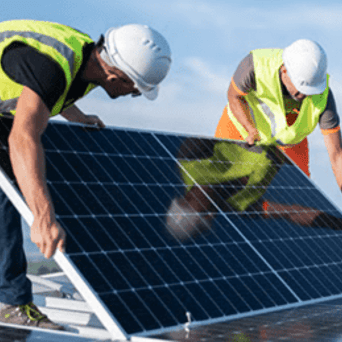
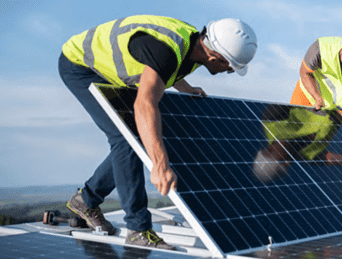
Sustainable power remains a priority for many organizations, and installing photovoltaic (PV) panels on unused roof space is often seen as a straightforward way to contribute.
As with any building modifications, however, careful consideration is needed to ensure any new hazards are mitigated.
Rooftop mounted PV panels can be a source for fire risks, including the potential for a fire to spread to the building on which they are installed, resulting in significant damage and business interruption.
The presence of rooftop PV panels may also hinder fire-fighting efforts as manual venting of fires may not be possible, elevated hose streams can be obstructed, and responders may hesitate to apply water to the fire for fear of electrocution.
This edition of Risk A/T Work highlights key measures for building owners and occupiers to mitigate the potential hazards associated with roof mounted PV panels.
All servicing and maintenance should follow manufacturer instructions and be carried out by competent, qualified engineers.
Rick Menth
VP, Senior Property Account Engineer
To effectively manage these risks, it is essential to consider the design and installation factors that influence the safety and performance of rooftop PV systems.
Careful consideration should be given to the physical layout of roof mounted PV panels to ensure they do not create excessive loads and prevent potential ignition sources from being placed near combustible building elements.
PV panels on building roofs can significantly increase roof loading. The combined weight of the panels, potential snow drifting, and increased wind forces can place additional stress on the structure, which may damage the building.
A qualified structural engineer should assess the additional loads to ensure that building codes have not been compromised and that the structure (or roof) can safely support the weight.
PV panels should not be installed on combustible roofs or roofs containing combustible insulation.
If this is unavoidable, any combustible layer directly beneath and around the panels should be replaced with non-combustible materials extending 2-m (6-ft) beyond the panel’s edges.
Cables, fixings, and other components must not compromise compartmentation, fire walls, or parapets, either going through or over.
Where routing through or over the barriers is unavoidable, components should be installed within fire resistant cable ducts or shafts.
Cable penetrations into the building should be housed within a non-combustible sleeve, fitted to the full thickness of the wall/roof with non-combustible packing around the cable within the sleeve.
PV panels must be securely fixed to the roof, without compromising the waterproof membrane or insulation. Ballasts or any weighting down methods without fixings should not be used.
Walkways should be provided between panels to allow safe maintenance access, and PV panels should never be installed over drains.
Inverters should be located at ground level in fire rated enclosures (minimum 1-hr), kept clear of combustibles, and equipped with fire detection.
Isolation switches should be located in readily accessible and clearly signed areas to allow safe access by fire and rescue services.
All servicing and maintenance should follow manufacturer instructions and be carried out by competent, qualified engineers.
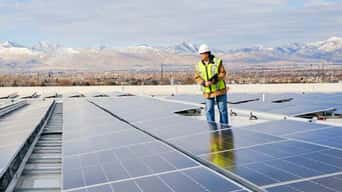
Once the system is installed, ongoing operational controls are essential to ensure the PV installation continues to perform safely throughout its life cycle.
PV panels are not a “fit and forget” system.
Building owners need to take the panels’ presence into account in their procedures. However, the procedures do not need to be complex to reduce the risk the panels may pose.
Fire and Health & Safety risk assessments should be reviewed and updated regularly to reflect the PV panel system.
Emergency response plan should also include procedures for isolating the panels in case of fire.
The location of panels and energy isolation switches should be clearly marked as well as being included in building layout drawings kept in emergency information packs.
PV installations should be provided with remote load monitoring and alarms, with signals routed to a permanently staffed station or to a cascade of contact phone numbers.
Site staff should be able to remotely check the system condition.
Maintaining system integrity also requires attention to environmental factors and electrical performance, both of which can influence fire risk and long term reliability.
Partial shading can lead to hot spots causing the panel to deteriorate, resulting in faults that can increase fire risks.
Panel placement should account for shading, and periodic inspections should be scheduled.
The pruning of nearby vegetation should be part of planned maintenance.
Panels should be cleaned with water and suitable detergent to remove dust, bird droppings, and other debris.
Cleaning frequency will depend on local conditions and should be documented.
All electrical servicing must be in accordance with the manufacturer’s instructions and performed by qualified engineers.
A thermographic inspection of the entire system, while under load, should be conducted annually or twice per year for combustible roofs.
Detailed maintenance records should be available to building occupants.
Protecting your people, property, and operations requires a proactive approach to managing the risks associated with rooftop Photovoltaic Panel Systems.
By prioritizing sound design, ongoing maintenance, and clear emergency planning, organizations can strengthen resilience and reduce the likelihood of costly disruptions.
To discuss how to safeguard your buildings and operations with confidence, contact your Sompo Risk Control Specialist or reach out at +1 877 667 5733 or RiskControlQuestions@sompo-intl.com.
This edition of Risk A/T® Work highlights key measures for building owners and occupiers to mitigate the potential hazards associated with roof mounted PV panels.
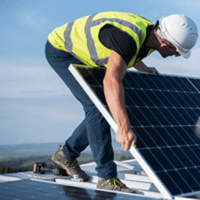
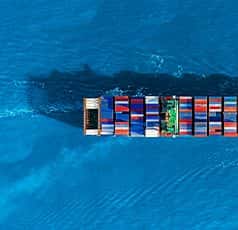
Cargo rarely travels as planned, and neither do the risks. This issue looks at where things go wrong, and how to stay one step ahead when the journey gets unpredictable.
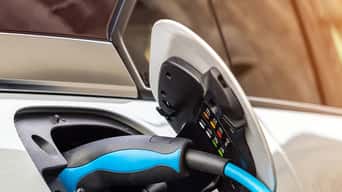
Li-ion battery risks: key hazards, loss scenarios, risk factors, and controls to help protect employees, property, and critical assets.

Cargo rarely travels as planned, and neither do the risks. This issue looks at where things go wrong, and how to stay one step ahead when the journey gets unpredictable.
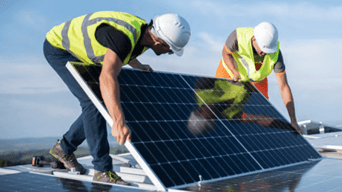
Photovoltaic systems bring new risks alongside their benefits - discover practical measures to manage fire exposure, protect property and support safer, more resilient operations.

From risk assessment to response planning, explore practical insights to help businesses prepare for the unexpected, protect people and assets, and maintain continuity when disruption strikes.
High winds, hail, heavy rainfall and lightning can hit fast - we have outlined some practical steps that can help protect your business, safeguard property and keep disruption to a minimum when convective storms strike.
From water flow testing to fire protection system reliability, learn how to help ensure systems perform when it matters most and reduce potential property loss.