CM
Claire Mahlmeister
Risk Control Specialist


Newsletter
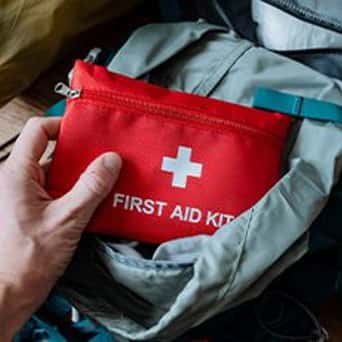
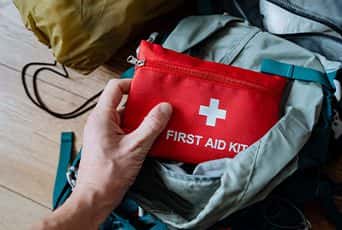

Disasters - natural and man-made - can strike at any time, often with little or no warning, threatening lives, disrupting operations, and impacting an organization’s financial wellbeing.
By proactively developing strategies, securing resources and implementing robust contingency plans, you can mitigate risks, maintain continuity and protect what matters the most when disaster strikes.
Claire Mahlmeister
Risk Control Specialist
Michigan, United States
One of the most critical steps in disaster preparedness is assembling and maintaining a comprehensive emergency kit. These kits should contain essential items to sustain individuals for at least 72 hours in the event of a disaster or emergency.
Key components should include:
• non-perishable food
• bottled water
• first aid kit
• prescription and over-the-counter medications
• flashlights and extra batteries
• phone chargers and power cords
• copies of important documents, such as insurance policies, identification, and emergency contact lists
For businesses, consider including items like backup communication devices, employee contact information, and tools to protect critical operational data. It’s also essential to tailor kits to the specific needs of users, including accommodations for pets and service animals where necessary.
Regularly update the kit by replacing expired items and ensuring its contents align with current needs. Whether for personal safety or business continuity, a well-prepared emergency kit can be a vital lifeline during a disaster.
Effective and ongoing communication is vital during a disaster to ensure the safety of employees and continuity of operations. Developing a comprehensive communication plan ensures that everyone knows how to stay in touch and is aware of the designated meeting points or protocols for regrouping once the event passes.
The plan should include contact information for key personnel, a designated point of contact and a list of emergency numbers, including local authorities and essential service providers. Regularly reviewing and practicing the plan helps ensure that everyone understands their roles and responsibilities, enabling swift and coordinated actions before, during and after an emergency.

An evacuation plan is another critical component of disaster preparedness. This plan should outline the safest and most efficient routes to evacuate your facility, ensuring all employees and visitors can quickly and safely exit during an emergency event.
Identify multiple evacuation routes to account for potential obstructions and designate a secure meeting location outside of the danger zone where everyone can regroup and be accounted for.
Ensure that all team members are familiar with the plan and conduct regular drills to practice evacuation procedures. A well-communicated and rehearsed evacuation plan is essential to protecting lives and minimizing disruption during a disaster.
“Disaster readiness is a critical aspect of safeguarding both people and operations.”
In addition to creating evacuation plans and communication strategies, other proactive safety measures should be considered. These include securing heavy furniture, equipment, and appliances to prevent injuries or damage during a disaster, ensuring a designated employee or employees knows how to safely shut off utilities like gas and electricity, and staying informed about potential hazards in your area.
Engaging with local emergency services and preparedness programs can also strengthen your readiness efforts.
Businesses can take an active role in emergency preparedness by participating in drills, volunteering with local response organizations, and promoting disaster awareness and training in the workplace.
One valuable resource is the Community Emergency Response Team (CERT) program is a national initiative supported by FEMA. CERT educates volunteers about disaster preparedness for hazards specific to their area and trains them in basic disaster response skills, such as fire safety, light search and rescue, team organization, and medical operations. The program provides a consistent, nationwide training that enables professional responders to rely on CERT members during disaster situations.
CERT programs can be customized to address the unique needs of workplaces, making them an excellent resource for businesses seeking to enhance their disaster readiness. By participating in CERT training and drills, businesses can empower their employees, build resilience, and contribute to a safer community while ensuring continuity during emergencies.
Disaster readiness is a critical aspect of safeguarding both people and operations. By taking the proactive steps, such as creating emergency kits, developing communication and evacuation plans, and getting involved in community preparedness programs, we can mitigate the impacts of disasters.
Remember, preparedness is a shared responsibility, and everyone has a role to play in building a safer, more resilient workplace.
Disaster readiness is essential to safeguarding your people, property, and business operations. By prioritizing preparation, implementing proactive measures, and fostering a culture of resilience, businesses can effectively navigate unforeseen challenges and ensure continuity in the face of disruption.
Contact your Sompo Risk Control Specialist or reach out at +1 877 667 5733 or RiskControlQuestions@sompo-intl.com to discuss safeguarding your property and people with confidence.

Photovoltaic systems bring new risks alongside their benefits - discover practical measures to manage fire exposure, protect property and support safer, more resilient operations.

Li-ion battery risks: key hazards, loss scenarios, risk factors, and controls to help protect employees, property, and critical assets.

Cargo rarely travels as planned, and neither do the risks. This issue looks at where things go wrong, and how to stay one step ahead when the journey gets unpredictable.

Photovoltaic systems bring new risks alongside their benefits - discover practical measures to manage fire exposure, protect property and support safer, more resilient operations.
From risk assessment to response planning, explore practical insights to help businesses prepare for the unexpected, protect people and assets, and maintain continuity when disruption strikes.
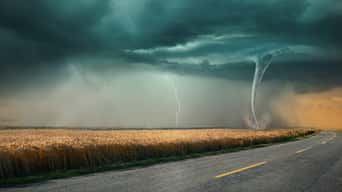
High winds, hail, heavy rainfall and lightning can hit fast - we have outlined some practical steps that can help protect your business, safeguard property and keep disruption to a minimum when convective storms strike.
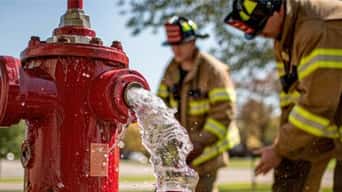
From water flow testing to fire protection system reliability, learn how to help ensure systems perform when it matters most and reduce potential property loss.