
Newsletter
Battery safety and energy storage hazards — lithium-ion fire and explosion risks
Written by
Article details


Newsletter
Written by
Article details

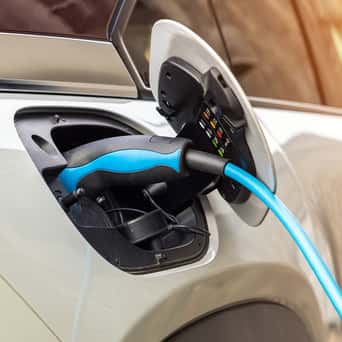
In this edition of Risk A/T Work, we examine the key hazards, loss scenarios, risk factors, and recommended controls that can reduce the likelihood and severity of Li-ion battery incidents, helping to safeguard employees and protect your property and other critical assets.
The use of lithium ion (Li-ion) batteries has expanded rapidly across industries, driven by growing reliance on mobile devices, cordless tools, material handling equipment, and electric transportation.
As adoption accelerates, so does exposure to fire and explosion hazards. Global reviews underscore this trend: the Soteria Battery Innovation Group’s Battery Safety in 2025: Year-End Takeaways reports a significant rise in major Li-ion battery incidents worldwide across electric vehicles, micromobility devices, consumer electronics, and industrial energy storage systems.¹ Region specific data reflects the same pattern.
QBE’s UK analysis found that fire brigades responded to 1,330 Li ion battery fires in 2024—up from 690 in 2022—representing a 93% increase.² These incidents often involve intense heat release, toxic smoke, and complex challenges for emergency responders.
Damaged, swollen, or end-of-life batteries awaiting disposal also present a hazard if not stored in fire-resistant containers.
Bryan Day
Property Field Leader
Li-ion batteries carry unique fire risks driven primarily by thermal runaway — a self-accelerating heating process that occurs when the internal cell structure becomes compromised. Once initiated, thermal runaway can lead to ignition, violent fire growth, or in some cases an explosion.
Common triggers include:
In property environments, thermal runaway can escalate quickly, spreading to adjacent batteries or combustibles and creating an event that is difficult to extinguish with standard suppression methods.
Evaluating Li-ion battery exposure on-site begins with understanding the condition and characteristics of the batteries in use.
Bryan Day
Property Field Leader
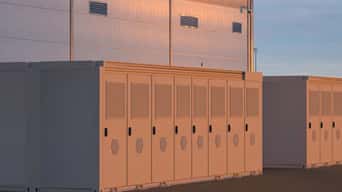
Several common loss scenarios have emerged across commercial occupancies. Improper charging setups remain one of the highest-frequency exposures, particularly where employees charge e-bikes, scooters, or power tools using uncertified chargers or extension cords. Storage rooms often contain large quantities of batteries without separation, ventilation, or temperature control, increasing the likelihood that a failing battery can ignite surrounding combustibles.
Damaged, swollen, or end-of-life batteries awaiting disposal also present a hazard if not stored in fire-resistant containers. Losses tend to escalate rapidly due to the high energy density of these batteries and the release of flammable vapor during failure.
Evaluating Li-ion battery exposure on-site begins with understanding the condition and characteristics of the batteries in use. Battery type, age, and physical condition are critical indicators of risk; batteries showing signs of swelling, cracking, or overheating warrant immediate attention. Charging practices should be reviewed closely to confirm that dedicated charging areas exist, chargers are UL-listed and compatible, and charging is supervised. Environmental factors – particularly temperature control, ventilation, and electrical load management – are play an essential role in preventing overheating and should assessed alongside general housekeeping and equipment layout.
Physical loss-control measures provide the first layer of protection against Li-ion hazards. Dedicated charging stations constructed of noncombustible materials, with adequate ventilation and clear separation from combustibles, help limit fire spread. Facilities with high-charging density or large battery inventories may require fire-rated rooms or enclosures to contain thermal events. For storage, noncombustible cabinets or specialized Li-ion containers can isolate compromised units and reduce the likelihood of a cascading failure.
Administrative controls are equally important as they reinforce engineering measures by standardizing safe practices across the battery lifecycle. Using only compatible, UL-listed chargers and prohibiting modified or aftermarket charging equipment, reduces the likelihood of electrical faults.
A formal inspection program helps identify damaged or aging batteries before they fail. Implementing a full battery lifecycle management process, covering procurement, use, storage, and end-of-life handling helps standardize safe practices.
Employee training is essential, particularly in recognizing early signs of battery degradation and knowing how to respond when a battery overheats or emits unusual odors or smoke.
Emergency response procedures must reflect the unique behavior of Li-ion fires, which often require prolonged cooling with large amounts of water, and may reignite after appearing extinguished. Pre-incident planning with the local >fire department is especially important for facilities with high battery volumes or dense charging operations. Businesses should also establish a safe method for isolating suspect or overheating batteries, away from structures, critical equipment and other combustibles to prevent escalation.
Reducing Li-ion battery exposure requires a combination of safer charging practices, improved storage arrangements, and consistent handling protocols for damaged units. Facilities should replace uncertified or incompatible chargers, increase separation from combustibles, and ensure that charging areas are designed to limit fire spread.
Understanding Li-ion battery exposures, and the steps needed to mitigate these risks, is essential to protecting both people and property. Support is available when you need it. Contact your Sompo Risk Control Specialist or reach out at +1 877 667 5733 or RiskControlQuestions@sompo-intl.com for guidance on strengthening your Li-ion battery safety practices and safeguarding your operations with confidence.
High-volume users should consider dedicated battery rooms, enhanced detection, or specialized containment to manage the increased hazard. Independent assessments – whether through third-party audits or vendor-provided battery management programs – can also help verify that controls are effective and aligned with current best practices.
In this edition of Risk A/T Work, we examine the key hazards, loss scenarios, risk factors, and recommended controls that can reduce the likelihood and severity of Li-ion battery incidents, helping to safeguard employees and protect your property and other critical assets.
Other languages

In this edition of Risk A/T® Work, Sompo's risk control specialists discuss risk factors for heat illness, hydration, prevention measures and treatment, and more.
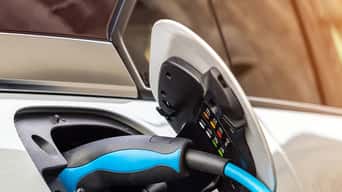
Li-ion battery risks: key hazards, loss scenarios, risk factors, and controls to help protect employees, property, and critical assets.

Cargo rarely travels as planned, and neither do the risks. This issue looks at where things go wrong, and how to stay one step ahead when the journey gets unpredictable.

Photovoltaic systems bring new risks alongside their benefits - discover practical measures to manage fire exposure, protect property and support safer, more resilient operations.

From risk assessment to response planning, explore practical insights to help businesses prepare for the unexpected, protect people and assets, and maintain continuity when disruption strikes.

High winds, hail, heavy rainfall and lightning can hit fast - we have outlined some practical steps that can help protect your business, safeguard property and keep disruption to a minimum when convective storms strike.
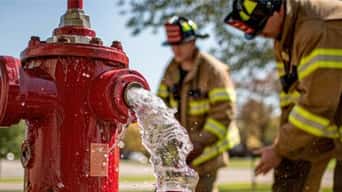
From water flow testing to fire protection system reliability, learn how to help ensure systems perform when it matters most and reduce potential property loss.
We are Sompo, a global provider of commercial and consumer property, casualty, and specialty insurance and reinsurance. Building on the 138 years of innovation of our parent company, Sompo Holdings, Inc., Sompo employs approximately 10,000 people around the world who use their in-depth knowledge and expertise to help simplify and resolve your complex challenges. Because when you choose Sompo, you choose The Ease of Expertise™.
“Sompo” refers to the brand under which Sompo International Holdings Ltd., a Bermuda-based holding company, together with its consolidated subsidiaries, operates its global property and casualty (re)insurance businesses. Sompo International Holdings Ltd. is an indirect wholly-owned subsidiary of Sompo Holdings, Inc., one of the leading property and casualty groups in the world with excellent financial strength as evidenced by ratings of A+ (Superior) from A.M. Best (XV size category) and A+ (Strong) from Standard & Poor’s. Shares of Sompo Holdings, Inc. are listed on the Tokyo Stock Exchange.
To learn more please follow us on LinkedIn.
Risk Control
Risk A/T® Work is a forum dedicated to sharing safety and loss control tips with our brokers and insureds. Risk A/T® is our proprietary risk management approach promoting informed risk analysis based on two behavioral factors — Aptitude and Tolerance.
Sign up to receive the newsletter in your email.